Nitrous oxide, a colorless, sweet-smelling gas, is an oxidizing agent with the chemical formula N₂O. It is stable at room temperature but decomposes at high temperatures into nitric oxide (NO) and oxygen (O₂).
Nitrous oxide has widespread applications in industry and daily life, such as in anesthesia and as a refrigerant. Nitrous oxide is soluble in water, ethanol, ether, and concentrated sulfuric acid. It is also used as an oxidizer in rockets and race cars, as well as to increase engine power output.
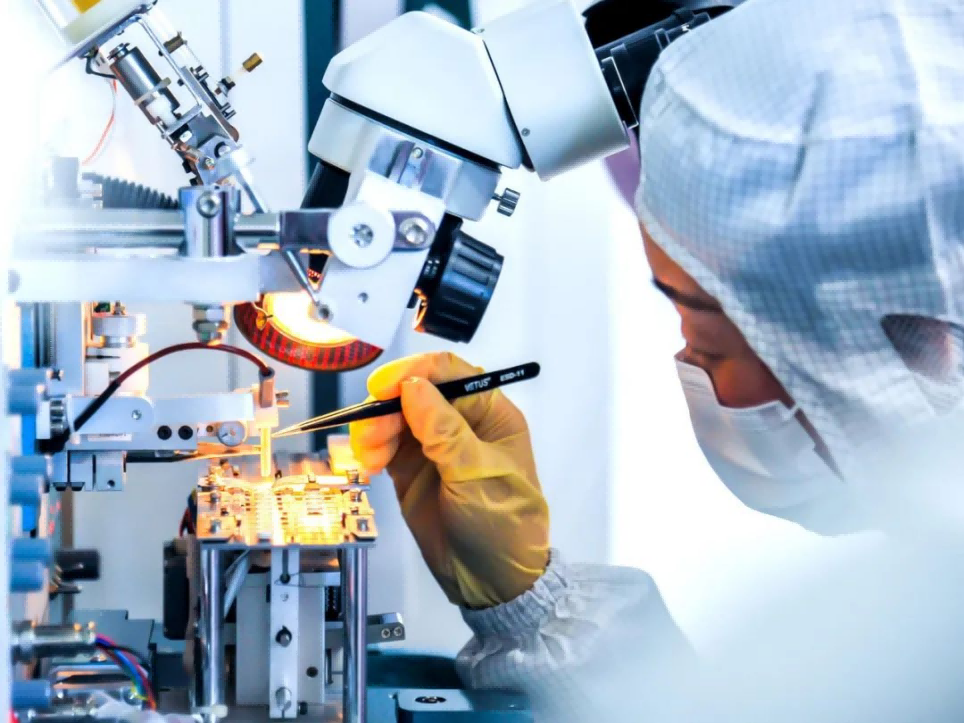
In its early days, nitrous oxide was primarily used as an anesthetic in dentistry. With the increasing demand for semiconductor DRAM, high-purity nitrous oxide gas is now mainly used in semiconductor, LCD, and OLED manufacturing processes—including oxidation and chemical vapor deposition (CVD) for depositing silicon nitride—as a nitrogen source.
In the electronics industry, high-purity nitrous oxide (N₂O) plays a crucial role in the manufacturing processes of thin-film transistor (TFT-LED) and OLED displays. Demand is rising rapidly, and its future prospects are promising.
① High-purity nitrous oxide is used in the production of microelectronic and optoelectronic devices. In the manufacture of semiconductor and light-emitting diode (LED) chips, SiO₂ films generated by nitrous oxide reactions are deposited onto silicon substrates to serve as buffer layers that prevent the ingress of harmful impurities. The purity of N₂O directly affects the purity of the SiO₂ film, which in turn impacts the performance of electronic devices.
② In the field of flat-panel displays, thin-film transistors dominate the mainstream display market; however, displays produced using OLED (organic light-emitting diodes) have already been adopted in high-end products and are expected to see even greater growth in the future. N₂O plays a crucial role in their manufacturing; the insulating protective film formed on the display is now increasingly produced through the reaction of N₂O with silicon dioxide.
In addition to its widespread use in the electronics market, N₂O gas is also extensively applied in fields such as aerospace and food processing:
Oxidizer
Modified vehicles equipped with nitrous oxide acceleration systems inject N₂O into the engine, where it decomposes upon heating into nitrogen and oxygen, improving the engine’s combustion efficiency and increasing speed. The oxygen acts as an oxidizer, accelerating fuel combustion.
Rocket Oxidizer
N₂O can be used as a rocket oxidizer. Its advantages over other oxidizers include its non-toxic nature, stability at room temperature, ease of storage, and relative safety during flight. A second benefit is that it decomposes easily into breathable air.
Medical Applications
On December 10, 1844, American dentist Wells used nitrous oxide to alleviate pain during tooth extractions. Today, N₂O is still used in concentrated form as a mild analgesic and sedative to relieve pain and alleviate patient anxiety.
Food Additive
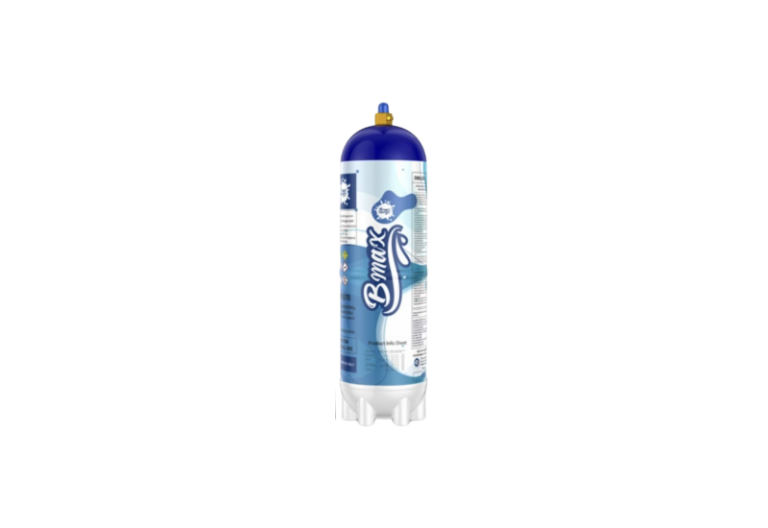
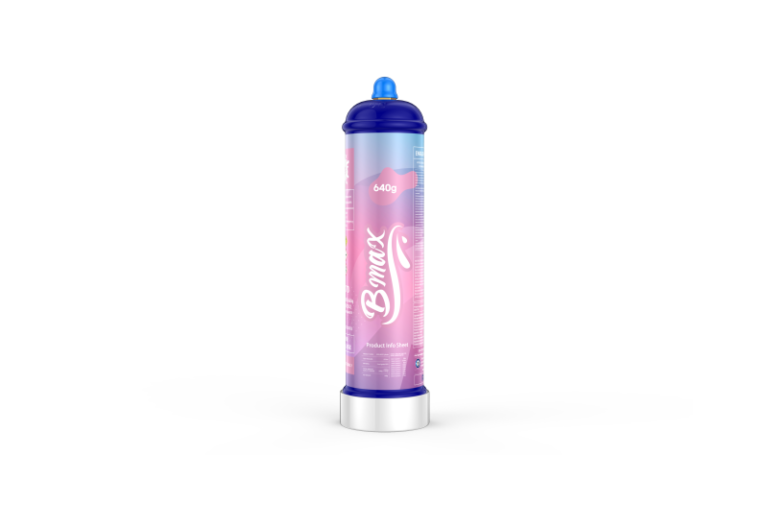
N₂O is a commonly used foaming agent and sealing agent in the food industry, widely applied in the production of coffee, milk tea, and cakes. When added to whipped cream, it causes the cream to expand, helping it maintain its shape and a smooth, delicate texture. In many international coffee shops and bakeries, the cream dispensers use nitrous oxide, but the amount used is insufficient to pose a health risk.
Other Applications
① It has high permeability and can replace helium in vacuum leak detection, thereby conserving precious and rare resources and reducing production costs;
② It is an excellent refrigerant and can serve as a substitute for Freon;
③ It can be used as a solvent and is widely applied in supercritical technology;
④ It can serve as a chemical feedstock for the production of downstream products such as benzene and phenol;
⑤ As an oxidizing gas in atomic absorption spectroscopy, it is also used in flame atomic analysis to meet the needs of both production and scientific research;
⑥ Additionally, it is a fumigant used for pest control and sterilization;