
In-Depth Research on the Electronic Specialty Gas Industry within the Semiconductor Supply Chain
Specialty gases primarily consist of three major categories: high-purity gases, electronic gases, and standard gases. Electronic specialty gases (referred to as “electronic specialty gases” for short) are an important branch of specialty gases and serve as indispensable raw materials for the production of electronic products such as very large-scale integrated circuits (ICs), flat-panel displays (LCDs, LEDs, OLEDs), and solar cells.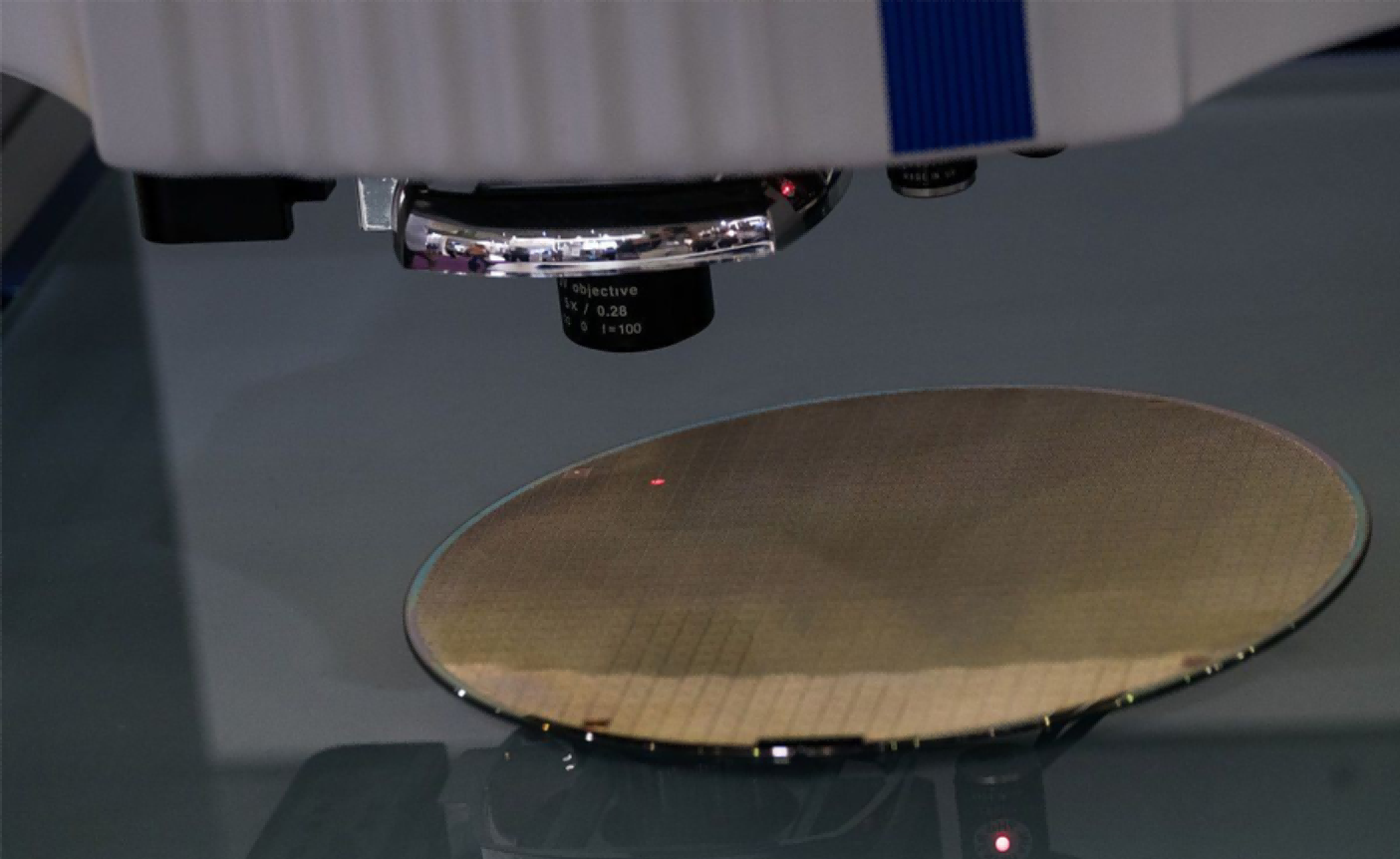
Typically, the semiconductor manufacturing industry classifies gases into two categories: common gases and specialty gases. Common gases refer to those that are centrally supplied and used in very large quantities, such as N₂, H₂, O₂, Ar, and He. Specialty gases refer to chemical gases used in semiconductor manufacturing processes—such as etching, ion implantation, doping, cleaning, and mask formation—which fall under the category of electronic gases. Examples include high-purity SiH₄, PH₃, AsH₃, B₂H₆, N₂O, NH₃, SF₆, NF₃, CF₄, BCl₃, BF₃, HCl, Cl₂, and others. In IC production, nearly 100 types of electronic gases are used, with about 30 commonly employed in core process steps. It is precisely these gases that, through various manufacturing processes, impart semiconductor properties to silicon wafers; they also determine the performance, integration density, and yield of integrated circuits. Even if a single specific impurity exceeds the permissible limit, it will result in serious quality defects. In severe cases, the diffusion of non-compliant gases can contaminate the entire production line, leading to a complete shutdown. Therefore, electronic gases are fundamental and critical materials in the manufacturing process and are truly the “lifeblood” of the electronics industry .
(The views expressed in this report belong to the original author and are provided for reference only.)